Free site visit anywhere in India. No obligation.
+91-8755475716 WhatsApp Us Send EnquiryOur Services
PU Floor Coating By City
- PU Floor Coating in Dehradun
- PU Floor Coating in Chandigarh
- PU Floor Coating in Baddi
- PU Floor Coating in Lucknow
- PU Floor Coating in Kanpur
- PU Floor Coating in Bareilly
- PU Floor Coating in Amritsar
- PU Floor Coating in Ludhiana
- PU Floor Coating in Sonipat
- PU Floor Coating in Ambala
- PU Floor Coating in Sitarganj
Why Choose Kaizen?
- 12+ Years Experience
- 500+ Projects Delivered
- Free Site Visit Pan India
- Certified Applicators
- Transparent Pricing
- On-Time Completion
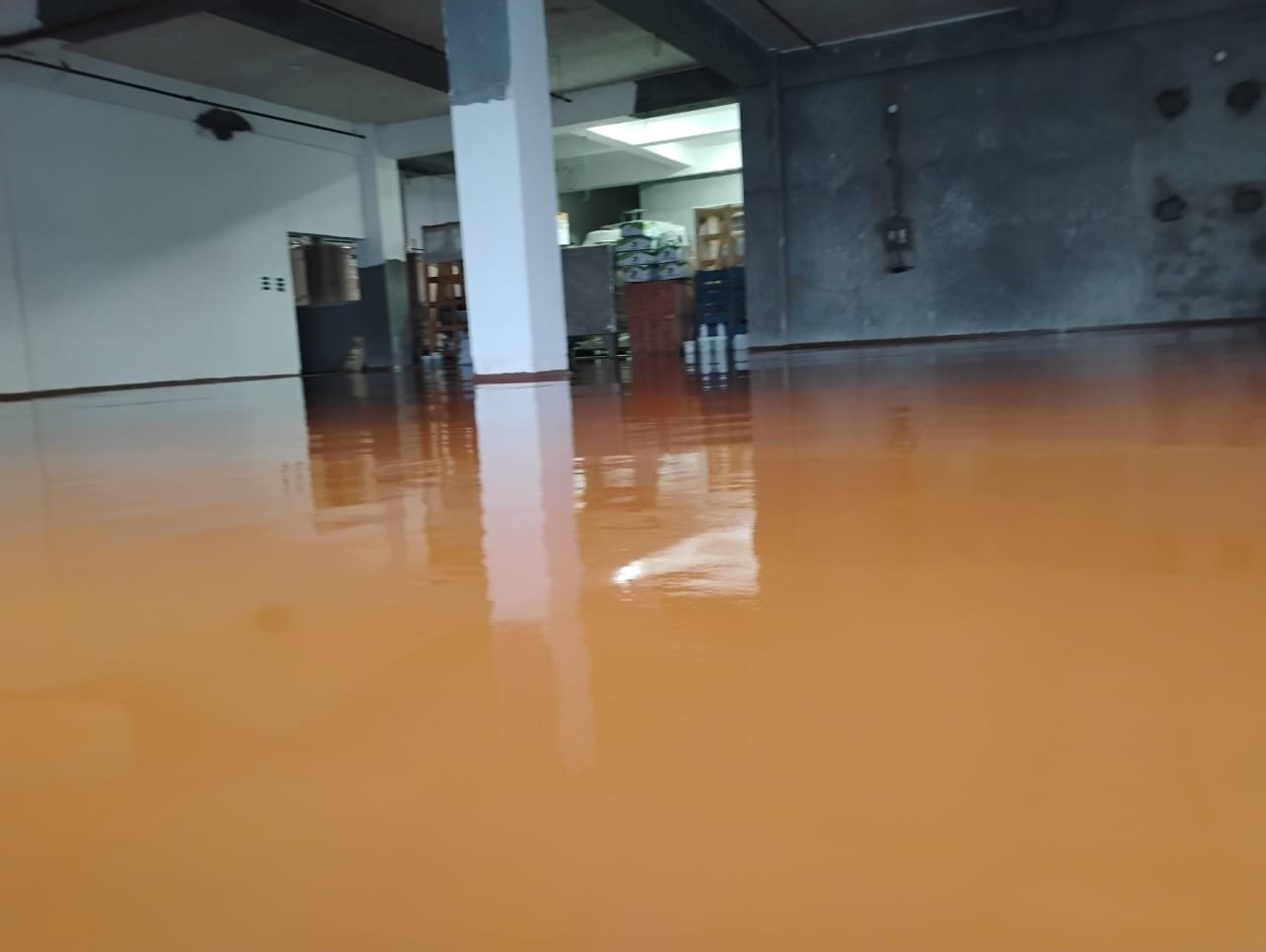
Ambala is known across India for scientific instruments, laboratory glassware and small electrical appliances like mixer grinders. Many of these units are small or mid-sized and run from older buildings in and around Ambala Sadar and Ambala Cantt. They all have the same flooring problem: concrete dust. It gets into assemblies, scratches glass and makes finished stock look dirty. A polyurethane floor coating stops the dust and gives you a floor that is easy to keep clean.
What makes Ambala floors different
Small, busy workshops. Many units can't shut down for a week. We plan the job in sections and can often finish a small workshop over a weekend or holiday break.
Glass and chemical handling. Instrument and glassware makers deal with broken glass, cleaning solvents and occasionally mild acids. PU resists these better than bare concrete and doesn't chip as easily as a rigid coating when something heavy is dropped.
Old floors with many patches. Buildings that have been extended over the years often have a mix of old concrete, new concrete and cement patches. Each part absorbs primer differently, so the preparation has to even that out before the coating goes on.
Areas we typically coat
- Assembly and packing rooms for instruments and appliances
- Glass-working and grinding sections, where a light-coloured floor helps spot fine glass pieces
- Quality control and testing labs
- Stores and dispatch areas with hand trolleys
- Showrooms and display rooms attached to factories
If you have steam cleaning, hot liquids or heavy steel-wheel trolleys, a thin coating won't last. PU concrete is the better choice there.
The process
- Site visit. We look at the whole floor, including old patches, cracks and damp areas, and ask what happens on it day to day.
- Preparation. The surface is ground to remove laitance, old paint and loose material. Cracks and weak patches are repaired.
- Priming. A primer seals the concrete and evens out absorption across old and new sections.
- PU coating. One or two coats, in the colour you choose. We can add anti-slip texture in wash areas.
- Handover. Foot traffic after about 24 hours, with written guidance on when trolleys and cleaning chemicals can be used.
Choosing a colour
Grey is the usual choice, and it hides tyre marks well. Instrument and glass units often prefer a lighter grey or pale green, because small parts and glass fragments are easier to see. Walkways and work zones can be marked in yellow or a contrasting colour at the same time.
FAQs
Can you coat a small workshop over a weekend?
For small areas with limited repairs, often yes. We prepare and coat on the first day and let it cure, so the floor is ready for foot traffic by the next working day. Larger floors take longer.
Will the coating resist the solvents we use for cleaning glassware?
PU resists most common workshop solvents in occasional contact. Tell us exactly which chemicals you use. For constant or strong chemical exposure we would suggest a chemical resistant system.
Does PU coating need special maintenance?
No special routine. Sweep regularly, mop with a neutral cleaner and repair any deep scratches early.
Call +91-8755475716 or use the form below to arrange a site visit in Ambala. More about the system is on our PU floor coating page.