Free site visit anywhere in India. No obligation.
+91-8755475716 WhatsApp Us Send EnquiryOur Services
PU Floor Coating By City
- PU Floor Coating in Dehradun
- PU Floor Coating in Chandigarh
- PU Floor Coating in Baddi
- PU Floor Coating in Lucknow
- PU Floor Coating in Kanpur
- PU Floor Coating in Bareilly
- PU Floor Coating in Amritsar
- PU Floor Coating in Ludhiana
- PU Floor Coating in Sonipat
- PU Floor Coating in Ambala
- PU Floor Coating in Sitarganj
Why Choose Kaizen?
- 12+ Years Experience
- 500+ Projects Delivered
- Free Site Visit Pan India
- Certified Applicators
- Transparent Pricing
- On-Time Completion
Food is a big part of Amritsar's economy. There are dairy plants, rice mills, papad and warriyan makers, pickle units, and hotels and dhabas that feed a steady flow of pilgrims and tourists. Floors in these places are washed constantly and get hit with milk, oil, spices and vinegar. Bare concrete absorbs all of that. A polyurethane floor coating seals the surface so it can be cleaned properly.
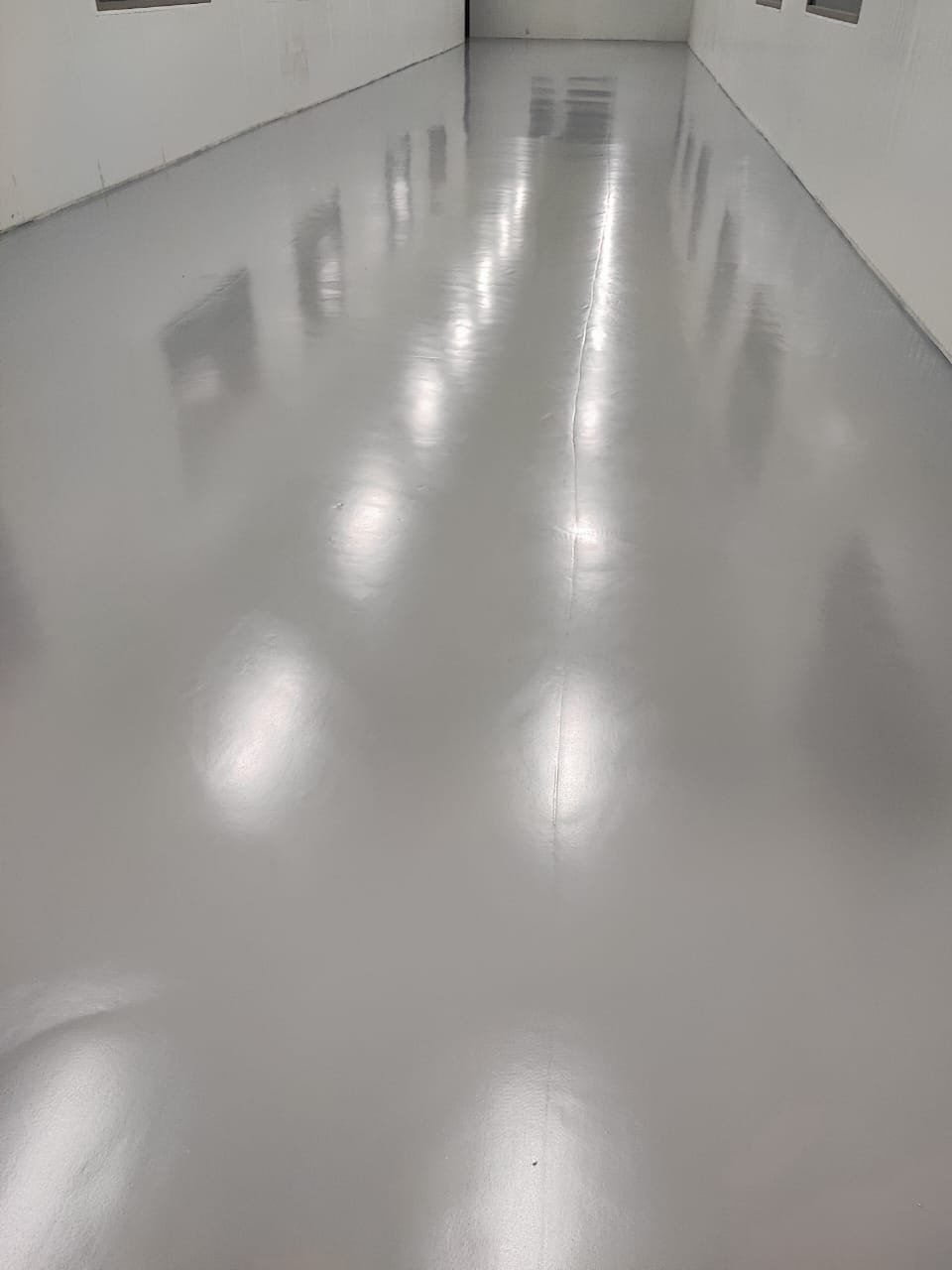
Why food units in Amritsar choose PU
Food acids are the main reason. Lactic acid from milk and curd, acetic acid from pickles and the natural acids in fruit slowly eat into cement. They also attack many ordinary epoxy coatings, which start to look etched and patchy after a while. PU coatings resist these organic acids much better.
The second reason is temperature. Punjab winters are cold, and many dairy and food units have chillers or cold rooms next to hot processing areas. A flexible PU coating handles those swings with less cracking than a rigid one.
Typical areas we coat
- Milk reception, processing and packing halls
- Papad, warriyan and snack production rooms, where flour dust and oil combine into a grimy film
- Pickle and sauce units with acidic spills
- Hotel kitchens, dish-wash areas and stores near the old city
- Packing and dispatch sections in Focal Point factories
Where there is steam cleaning or boiling water on the floor, as in some dairy CIP areas, we recommend PU concrete rather than a thin coat.
Working in Amritsar's weather
Winter is the season we plan most carefully for. Resin coatings cure slowly in the cold, and a slab that drops below about 10°C at night can leave the coating soft or cloudy. In December and January we heat or enclose the area if needed, or schedule work for the warmer part of the day. In the monsoon we check slab moisture before starting, since ground-floor slabs in older buildings often hold water.
Our process
- Site visit to check the slab, find oil or ghee-soaked patches and understand your cleaning routine.
- Mechanical preparation by grinding or shot blasting. Oily areas are cut out and repaired, because no coating sticks to fat-soaked concrete.
- Crack and joint repair, then primer.
- PU coating in one or two layers, with anti-slip texture in wet zones.
- Handover with written curing times and cleaning advice.
Keeping the floor in good shape
Use a neutral or food-grade alkaline cleaner. Scrub rather than scrape. Get cuts or gouges touched up early, before water gets underneath. If you plan to change your process, for example adding a steam cleaner, talk to us first so we can confirm the floor will cope.
FAQs
Is PU floor coating food safe?
Once fully cured, PU coatings used in food plants are inert and non-porous, which is why they are widely used in dairy and food processing. If you need documentation for an audit, tell us at the quote stage.
Can you work during winter in Amritsar?
Yes, with precautions. We check slab temperature and may warm or enclose the area. Curing takes longer in the cold, so the handover date moves out a little.
Can PU coating fix a floor that is already cracked?
The coating itself does not repair structural cracks. We fill and repair them first, then coat. Moving cracks may come back, so we look at their cause during the visit.
Call +91-8755475716 or use the quote form below for a visit in Amritsar. More details are on our PU floor coating page.