Free site visit anywhere in India. No obligation.
+91-8755475716 WhatsApp Us Send EnquiryOur Services
PU Floor Coating By City
- PU Floor Coating in Dehradun
- PU Floor Coating in Chandigarh
- PU Floor Coating in Baddi
- PU Floor Coating in Lucknow
- PU Floor Coating in Kanpur
- PU Floor Coating in Bareilly
- PU Floor Coating in Amritsar
- PU Floor Coating in Ludhiana
- PU Floor Coating in Sonipat
- PU Floor Coating in Ambala
- PU Floor Coating in Sitarganj
Why Choose Kaizen?
- 12+ Years Experience
- 500+ Projects Delivered
- Free Site Visit Pan India
- Certified Applicators
- Transparent Pricing
- On-Time Completion
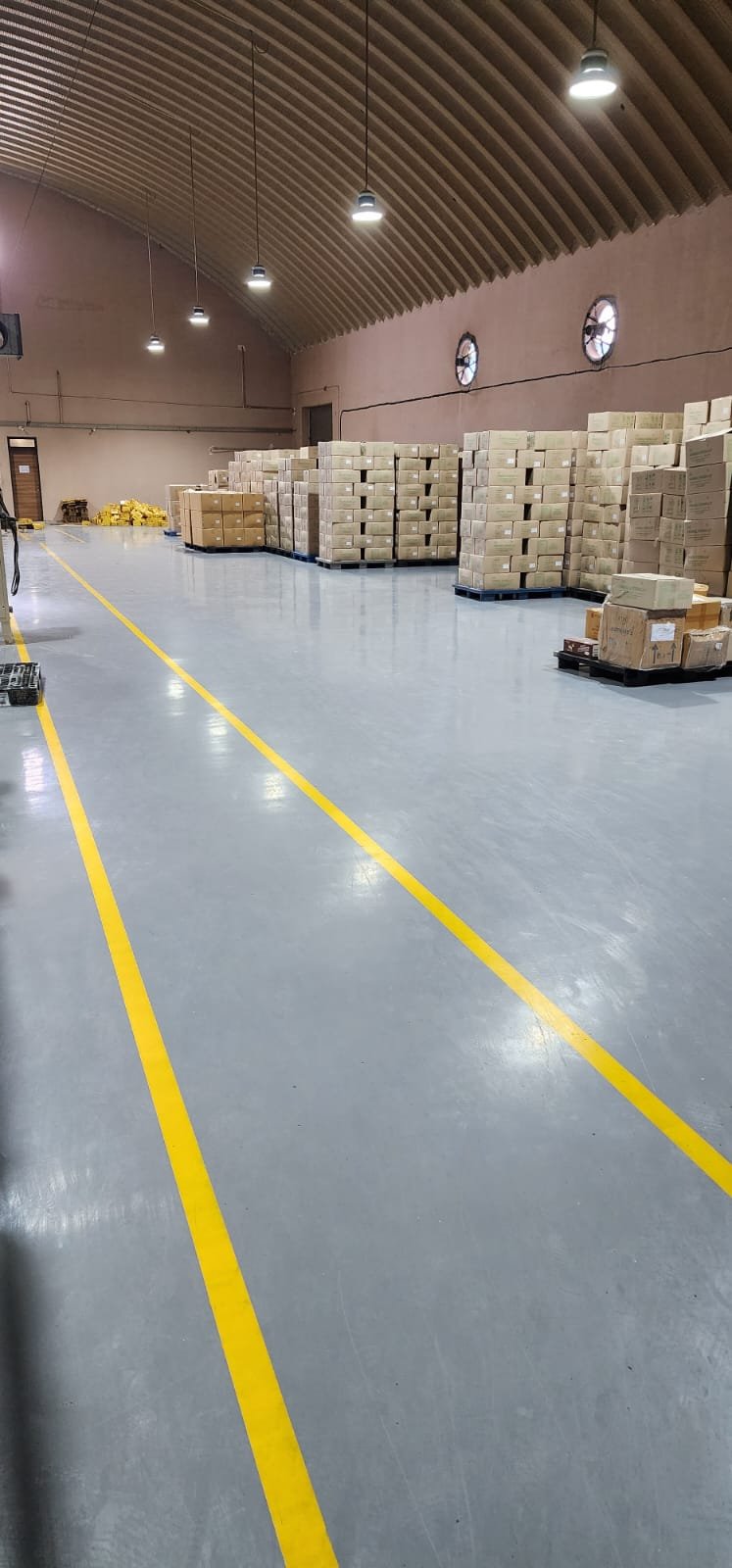
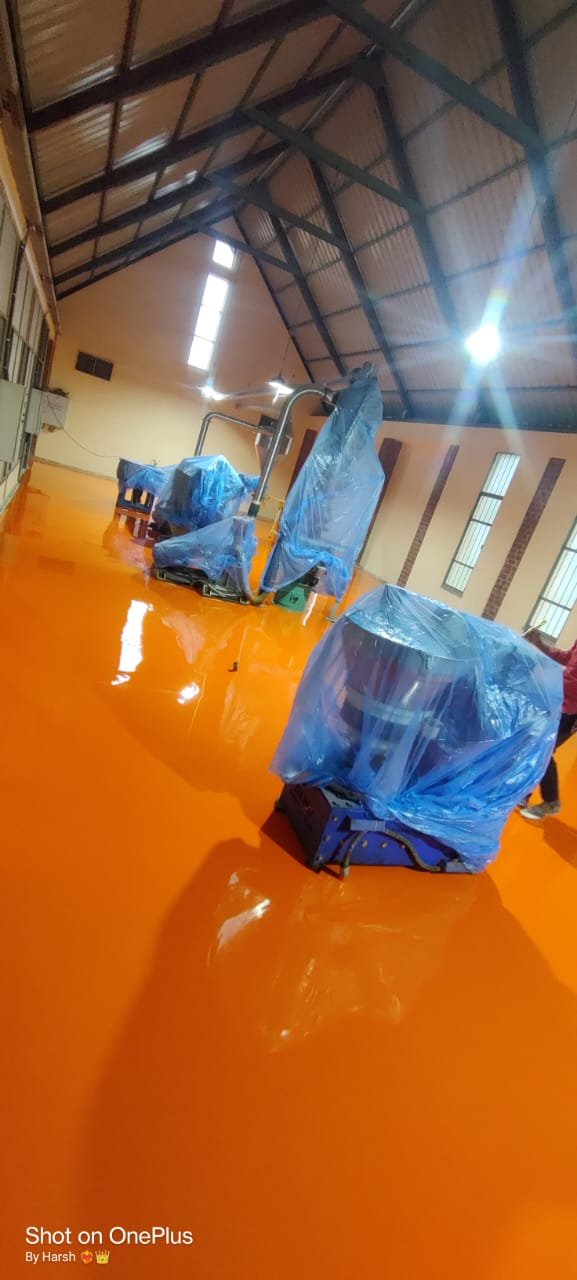
A polyurethane (PU) floor coating is a thin, roller-applied resin coating, usually well under a millimetre thick, that seals concrete and gives a washable, hard-wearing surface. Compared with standard epoxy, it is more flexible, handles temperature changes better, resists many food acids, and in its UV-stable (aliphatic) form keeps its colour in sunlight. It's a practical choice for food units, warehouses, hospitals, kitchens and commercial buildings.
PU coating, PU self levelling and PU concrete
The word "PU flooring" is used for three different systems, and mixing them up is a common source of confusion.
| System | Thickness | What it's for |
|---|---|---|
| PU floor coating | Well under 1 mm, rolled | Sealing, dust control, washable floors with moderate traffic |
| PU self levelling | 2 to 4 mm, poured | Smooth, jointless hygienic floors for hospitals, labs, cleanrooms |
| PU concrete | 4 to 9 mm, trowelled | Hot water, steam, thermal shock and heavy impact in food and pharma plants |
This page covers the coating. If your floor sees boiling liquids, steam cleaning or steel-wheeled trolleys, a thin coating won't last. Look at PU concrete.
PU coating or epoxy coating?
| Point | PU coating | Epoxy coating |
|---|---|---|
| Flexibility | Higher, copes better with temperature swings | Rigid |
| Colour in sunlight | Aliphatic PU stays stable | Standard epoxy yellows |
| Food acids (lactic, citric) | Better resistance | Can etch |
| Hardness | Slightly softer | Harder |
| Cost | Usually higher | Usually lower |
Many floors use both: an epoxy base for build and hardness, with a PU topcoat for colour stability and wear.
Where PU coating works well
- Food and dairy units: packing and processing areas with food acids and daily wet cleaning
- Warehouses and cold chain: aisles near sunny shutters, and areas next to chilled rooms
- Hospitals and clinics: corridors and service areas cleaned many times a day
- Commercial kitchens and hotels: back-of-house areas with oil and hot water (not steam)
- Showrooms and offices: where a colour-stable finish matters
Limits to keep in mind
- It is a thin system, so it follows the shape of the concrete. Uneven floors need levelling first.
- It isn't designed for steam, boiling water or heavy thermal shock.
- Strong acids and solvents need a chemical resistant floor.
- Damp slabs cause blistering, so moisture testing is essential.
Installation
- Survey: moisture test, strength check and review of how the floor is used and cleaned
- Preparation: grinding or shot blasting, oil removal, crack and joint repair
- Primer: epoxy or PU primer, moisture-tolerant if needed
- PU coating: one or two coats, with anti-slip texture in wet zones
- Handover: written curing and cleaning guidance
Light foot traffic usually returns after about a day. Heavier loads and cleaning chemicals follow after the specified cure time.
Maintenance
Mop with neutral or mildly alkaline cleaners, scrub rather than scrape, and touch up deep scratches before water gets under them. The topcoat can be renewed in busy areas without replacing the whole floor.
PU floor coating by city
Kanpur, Lucknow, Agra, Bareilly, Amritsar, Chandigarh, Ambala, Ludhiana, Baddi, Sonipat, Dehradun, Sitarganj
FAQs
Is PU floor coating food safe?
Once fully cured, PU coatings used in food plants are inert and non-porous. If you need documentation for an audit, ask at the quote stage.
Can PU coating go over an existing epoxy floor?
Often yes, if the epoxy is well bonded. It is lightly ground and repaired first.
Will PU coating stop our floor dusting?
Yes. It seals the concrete surface so it stops shedding dust.
How thick is a PU floor coating?
Usually well under a millimetre. For thicker systems, see PU self levelling or PU concrete.
Call +91-8755475716 or fill in the form below to book a site survey.